
Welcome to Our World
We believe in creating a meaningful and clean environment for now and the future.
What is Biochar
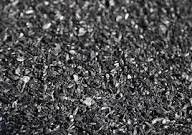
Biochar is a highly porous, carbon-rich charcoal used primarily as a soil amendment. It is produced by baking organic materials—such as wood chips, crop residues, and manure—in a low-oxygen environment (pyrolysis). It improves soil fertility, retains water and nutrients, and permanently stores carbon.
Benefits
• Improves and maintains the development of microorganisms, promoting plant growth.
• Helps improve soil structure, protecting against compaction and promoting aeration and root development.
• Provides nutrients and releases them gradually into the soil, reducing the need for supplements.
• Works synergistically with other horticultural agents such as compost, fertilizer, mycorrhizae, and others, optimizing their contribution to soil structure and reducing leaching.
• Promotes water and nutrient retention near the root system, thanks to its porous structure.
• Supports sustainable agriculture by reducing the use of chemicals in the soil.
• Helps balance acidic soils.
• Helps offset greenhouse gas emissions by acting as a carbon sink in the soil, thus reducing the release of CO2 into the atmosphere.
The role of biochar in sequestering carbon and mitigating climate change
Biochar production is a carbon-negative process, which means that it actually reduces CO2 in the atmosphere. In the process of making biochar, the unstable carbon in decaying plant material is converted into a stable form of carbon that is then stored in the biochar. When biochar is applied to the soil, it stores the carbon in a secure place for potentially hundreds or thousands of years. To put it simply, the feedstocks that were used for making biochar would release higher amounts of carbon dioxide to the atmosphere if they were left to decompose naturally. By heating the feedstocks and transforming their carbon content into a stable structure that doesn’t react to oxygen, biochar technology ultimately reduces carbon dioxide in the atmosphere.
Biochar also contributes to the mitigation of climate change by enriching the soils and reducing the need for chemical fertilizers, which in turn lowers greenhouse gas emissions. The improved soil fertility also stimulates the growth of plants, which consume carbon dioxide. The many benefits of biochar for both climate and agricultural systems make it a promising tool for regenerative agriculture.